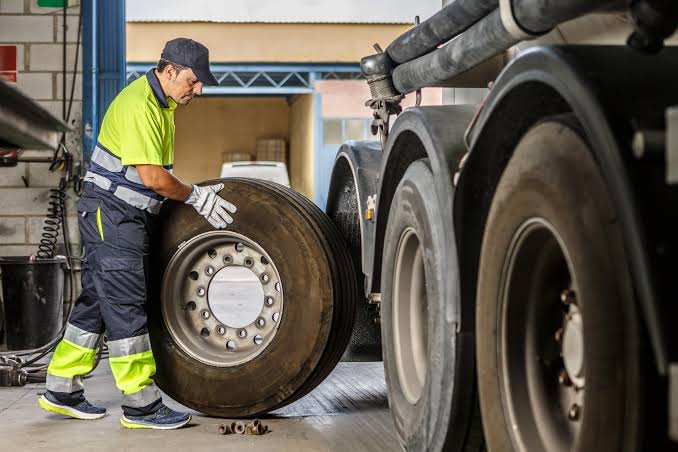
How Truck Wreckers Make Commercial Vehicle Repairs Easier
Introduction
Commercial vehicles stay valuable only when repairs happen quickly, safely, and at a fair cost. Operators often face delays, high part prices, and long workshop downtime after mechanical failure or crash damage. Truck wreckers reduce those pressures by supplying usable components, removing damaged units, and supporting faster decisions. Their role reaches beyond scrap handling, because they help workshops, fleet managers, and independent owners keep working vehicles on the road.
Easier Parts Sourcing
Repair delays often start with part shortages, especially for older rigs or discontinued models. In that setting, truck wreckers in Melbourne help workshops locate engines, panels, mirrors, gearboxes, trays, and cabin fittings without long supplier waits. That access matters when a business needs one practical replacement, rather than an expensive factory order that stretches downtime and raises total repair pressure.
Lower Repair Costs
Commercial vehicle repairs can become expensive within days. New parts often carry high purchase costs, freight charges, and supplier lead times. Wreckers cut those costs by offering inspected used components at lower prices. That option helps owners control budgets while still fixing essential systems. For many transport businesses, reduced spending on parts can make the difference between repairing a truck and retiring it early.
Quicker Turnaround Times
Time off the road costs money every day. A parked truck can interrupt deliveries, staffing plans, and customer schedules. Wreckers support faster turnaround by keeping common parts ready for collection or dispatch. Mechanics can then move from diagnosis to fitting with fewer pauses. Shorter repair cycles help businesses return vehicles to service sooner and avoid long gaps in earning capacity.
Support for Older Models
Many fleets still rely on older commercial vehicles because those units remain useful and familiar. Trouble starts when original manufacturers stop stocking certain parts. Wreckers fill that gap by dismantling similar trucks and recovering workable items. This process helps owners maintain ageing vehicles without chasing rare stock across multiple sellers. It also gives workshops a more realistic path for reviving trucks that still have working value.
Better Use of Salvage
A damaged truck may still hold many serviceable parts. Doors, axles, lights, seating, radiators, and electrical items can often be reused after proper assessment. Wreckers identify what remains useful and separate those pieces from worn material. That approach supports practical repairs while reducing unnecessary disposal. It also helps the wider market by keeping valuable components circulating instead of sending everything straight into waste processing.
Help for Fleet Managers
Fleet managers need predictable repair planning, clear costs, and quick access to stock. Truck wreckers can support that need by supplying multiple parts from one source. That saves time during urgent maintenance periods.
One Contact Point
With one contact handling part checks, collection, and vehicle removal, administration becomes simpler. Teams spend less effort comparing scattered listings and more time getting transport schedules back on track.
Removal of Damaged Trucks
Severely damaged commercial vehicles can block yard space and slow workshop activity. Wreckers make repairs easier by removing units that are beyond practical restoration. Once those vehicles leave the site, businesses gain room for active service work and storage. Disposal support also helps owners move on from written-off trucks while recovering value from salvageable material, rather than letting unusable assets sit idle for months.
Practical Knowledge on Compatibility
Parts availability alone does not solve every repair issue. Fitment matters, especially across different truck years, trims, and body styles. Experienced wreckers often understand which components match certain makes or can substitute safely in specific cases. That practical knowledge helps buyers avoid wasted purchases. Workshops benefit from clearer choices, while owners reduce the risk of ordering pieces that cannot be used after delivery.
Environmental Value
Repair decisions affect more than workshop costs. Reusing truck parts reduces demand for newly manufactured items and lowers the amount of scrap entering landfill. Wreckers also sort metals, fluids, plastics, and reusable assemblies with a recovery focus. That process supports responsible material handling while extending the life of parts already in circulation. For businesses tracking waste and cost together, that creates a sensible repair support channel.
Conclusion
Truck wreckers make commercial vehicle repairs easier by improving part access, lowering costs, reducing delays, and clearing damaged units from busy sites. They also support older models, help fleet managers simplify sourcing, and keep usable components in circulation. For transport operators and repair workshops, that mix of speed, value, and practical supply can protect uptime. In a demanding service environment, wreckers remain a useful part of efficient vehicle maintenance.