Top Reasons to Choose Scrap Cars for Cash Services in 2026
Introduction
In 2026, many vehicle owners face a simple question, keep a failing car or move it on quickly. Older models often bring rising repair bills, safety concerns, storage issues, and wasted time. Scrap cars for cash services answer that problem with a practical path. They help households clear space, recover some value, and support proper recycling, all without dragging out a tiring private sale.
Faster Than Private Selling
Selling a dead vehicle privately often means photos, messages, price debates, and missed meetings. Local owners looking at options such as Scrap Cars for Cash in Auckland usually want less effort, clearer timing, and easier collection. That interest reflects a wider shift in 2026. People value quick decisions, simple paperwork, and direct removal, especially when a car no longer starts or drives safely.
Repairs Often Cost Too Much
A worn car can absorb money without giving reliable use back. One fault may reveal another issue within days. Gearbox trouble, rust, engine wear, and electrical failures can turn modest fixes into major bills. For many households, accepting a fair scrap offer makes better financial sense than paying repeated workshop charges for a vehicle nearing the end of its useful life.
Free Removal Saves Time
Transport creates a real problem when a car cannot move under its own power. Hiring a tow truck adds cost and more scheduling pressure. Services that include free pickup remove that extra barrier. Owners can arrange collection from home, work, or roadside areas. That convenience matters in busy cities, where parking is limited and broken vehicles become a daily headache very quickly.
Value Still Exists in Old Vehicles
Even damaged cars still contain metal, reusable parts, and recyclable fluids. That hidden worth explains why wreckers buy vehicles in poor condition. Doors, mirrors, batteries, tyres, and panels may still hold resale or reuse potential. Scrap services assess those recoverable elements and turn them into an offer. This gives owners a practical return from something that may look completely finished at first glance.
Recycling Matters More in 2026
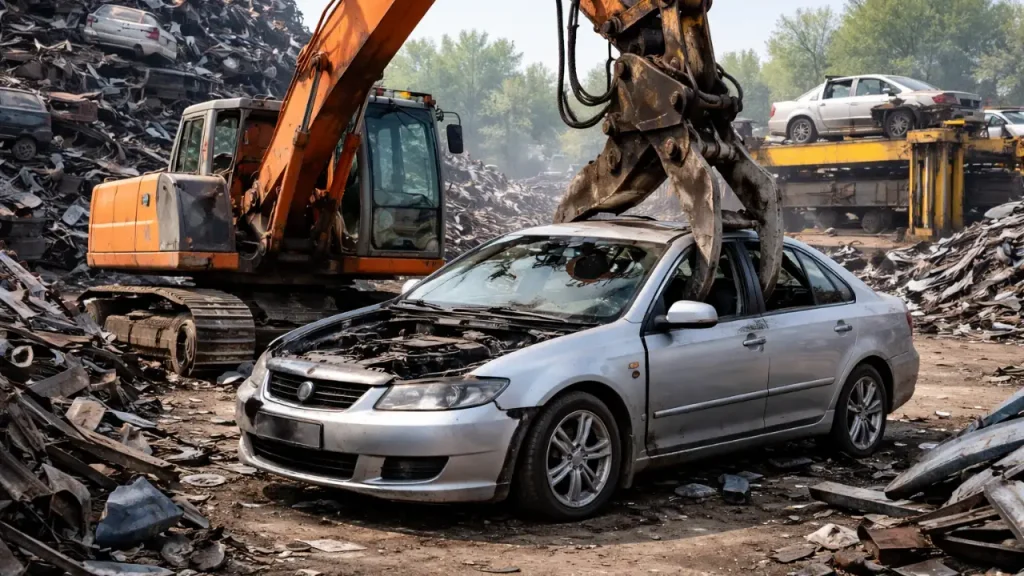
Environmental care has become a stronger factor in disposal choices. Licensed operators drain oil, petrol, coolant, and other fluids before processing the shell. Usable components are removed, stored, and sold again where suitable. Remaining metal is crushed and sent for recycling. That chain reduces landfill pressure and limits waste. Choosing a responsible buyer helps communities handle vehicle disposal with less environmental harm.
Any Condition Is Usually Accepted
One strong reason these services remain popular is broad acceptance. Owners do not need a polished, registered, or running vehicle. Scrap buyers often take accident-damaged cars, flood-hit models, non-runners, rusty shells, and vehicles missing parts. That flexibility suits people who feel stuck with a car nobody else wants. A difficult asset becomes easier to remove once condition stops being a major barrier.
Payment Is Usually Straightforward
Cash service appeals because the process is clear. Owners request a quote, share vehicle details, accept the amount, and arrange pickup. Once collection happens, payment is made and the transaction ends. There is little room for endless bargaining or last-minute confusion. In 2026, that certainty matters. Many sellers prefer a direct exchange over uncertain listings that stay online for weeks without serious interest.
Space Has Real Value
A dead vehicle takes up room that could serve better purposes. It may block a garage, crowd a driveway, or reduce access around a property. For businesses, unused fleet cars can also occupy valuable operating space. Removing scrap vehicles creates order and frees useful areas for parking, storage, or safer movement. In practical terms, reclaimed space can feel as valuable as the payment itself.
Conclusion
Scrap cars for cash services fit the needs of 2026 because they solve several problems at once. They reduce stress, save time, return some money, support recycling, and remove vehicles from properties without drawn-out effort. For owners holding damaged, unwanted, or worn-out cars, the choice is often practical rather than emotional. A simple sale can replace ongoing expense with a cleaner, quicker, more useful outcome.